Technology should improve the way work gets done, not simply digitise it
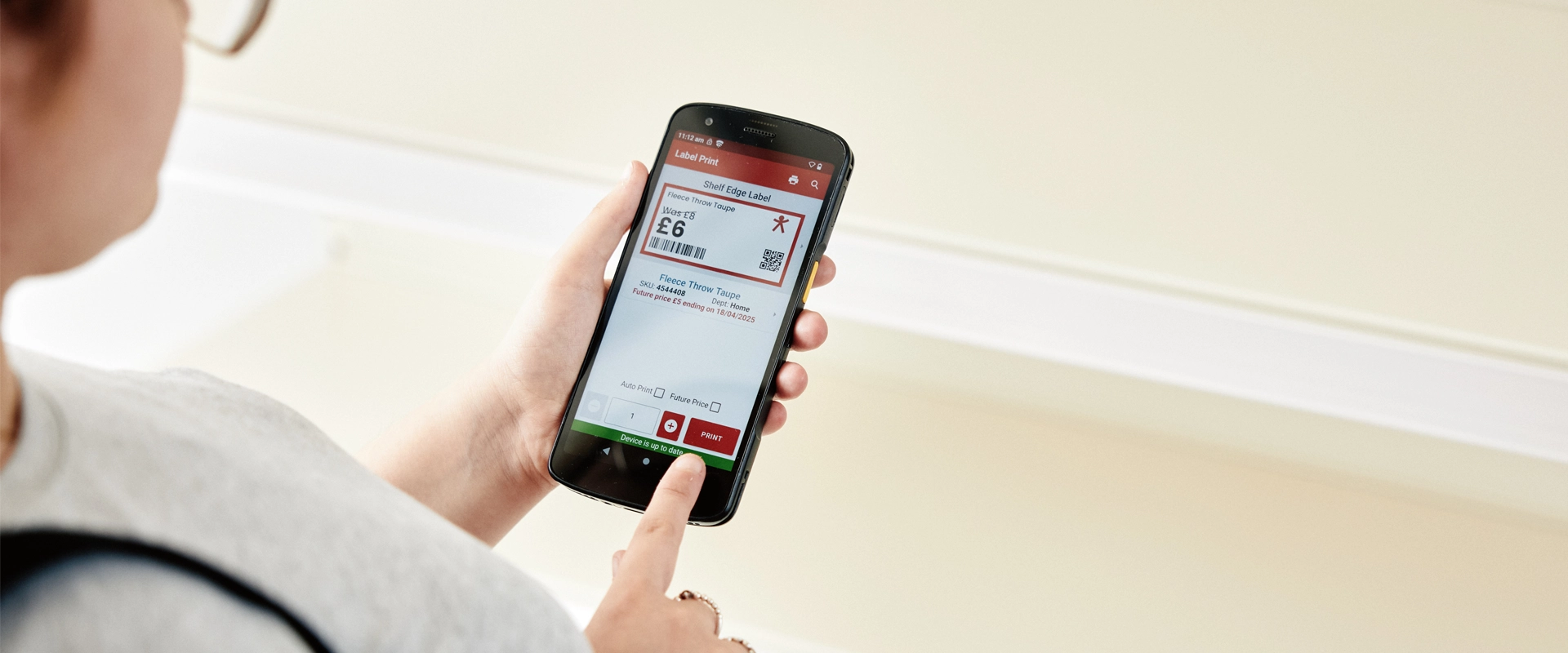
To start, you need to understand the current process, how it works and where technology can make a difference. Digitising a process doesn’t automatically make it better. A manual task moved onto a handheld device may be quicker to complete, but if the process is still complicated, the improvement you’ll see will be limited.
The value of technology comes from what change it enables. This could mean removing unnecessary tasks, reducing the time it takes to complete a task, and improving outcomes, such as hours saved, better stock availability, reduced waste or increased sales.
Success should be measured against clear business outcomes, not whether a new system has been introduced.
Technology can help stores move from fixed routines to exception-led working

Retail relies on fixed routines, with colleagues asked to complete recurring checks and tasks at set times without taking account of what else is happening in the store. But when priorities change, colleagues need to know where their time will have the greatest impact.
Technology and better use of data can help retailers move towards an exception-led approach by bringing together information on sales, stock, margin and demand to identify where processes need to change and direct attention where it is needed most.
Take availability checks as an example. Traditionally, colleagues might complete a gap scan twice a day, regardless of whether every product requires attention. But by combining sales, stock and demand data, retailers can increasingly identify where intervention is most likely to be needed.
Rather than asking colleagues to check everything, technology can direct their attention towards the products and issues that matter most commercially.
This can reduce unnecessary checks and help store colleagues respond to issues as they arise.
Technology should make the colleague experience simpler
Technology should connect the in-store experience for colleagues, rather than add more complexity. To head office, multiple systems may make sense, but on the shop floor, this can mean managing different apps, logins and notifications.
The goal should be to reduce the number of places colleagues need to look for information, creating a flow between systems so that teams can access what they need more easily. Single Sign-On is one way to achieve this, reducing the friction users encounter when switching between systems.
Involving frontline teams in the design and testing process also goes a long way to getting this right. A solution that seems simple from a head office perspective can work very differently in a fast-paced store environment, so feedback is essential to spot potential issues before wider technology rollouts.
Ultimately, the aim is to create a joined-up approach where colleagues can find the right information and understand what needs their attention without facing unnecessary steps.
Technology should be simple enough to learn on the job
When technology is easy to use, needs little training and makes everyday tasks simpler and faster, colleagues are more likely to adopt it. By reducing troubleshooting time, you’ll minimise the demands on your support team and ensure the seamless introduction of new technology.
Successful technology deployments are phased and measured

Planning a technology rollout carefully can help retailers minimise disruption and give teams the support they need throughout.
Importantly, deployment shouldn’t be confused with adoption. Installing technology across 500 stores doesn’t necessarily mean you’ve changed the way those stores operate.
Success should be measured by what has genuinely improved, whether that’s reduced colleague effort, better availability, improved accuracy or a simpler way of working, rather than simply how many stores have gone live.
Each stage of deployment is an opportunity to gather feedback from colleagues and collect and analyse statistics, for example, hours saved, how many labels have been printed, stock checks and more. By measuring the impact and success of the rollout, retailers can assess whether the solution is bringing the benefits, decide what support colleagues need and plan the next steps.
Depending on the size of the change, a pilot in a representative store may help find issues and challenges before expanding to a small group of stores or a wider region.
Clearly prioritise changes
Bringing multiple changes at once puts pressure on store teams. A clear plan helps retailers focus on the changes that will have the most impact, align technology with business objectives and the needs of different teams, and ensure time and resources are best used. Without structure, technology investment may add more difficulty rather than helping retailers work more effectively.
Involving area and regional managers early in the process can also help retailers understand how changes will affect different stores and prepare teams before new technology reaches the stores. Their input can help find challenges, organise implementation across different stores, and ensure support is available when needed.
This should be supported by training and clear communication, giving colleagues the knowledge to use new systems as part of their everyday work.
Ready to deploy technology more effectively?
Ultimately, pragmatic technology deployment isn’t about introducing more systems or digitising more processes. It’s about making store operations simpler, more productive and more effective.
The approach should be straightforward: start with the operational problem, understand the frontline reality, use technology to remove or prioritise work, measure the outcome and scale what works.
The measure of success isn’t how much technology a retailer deploys, but how much better its stores operate as a result.
Discover how TPP Retail can help you deploy technology that makes everyday work simpler for your store teams. Ready to discuss your next steps? Get in touch today.